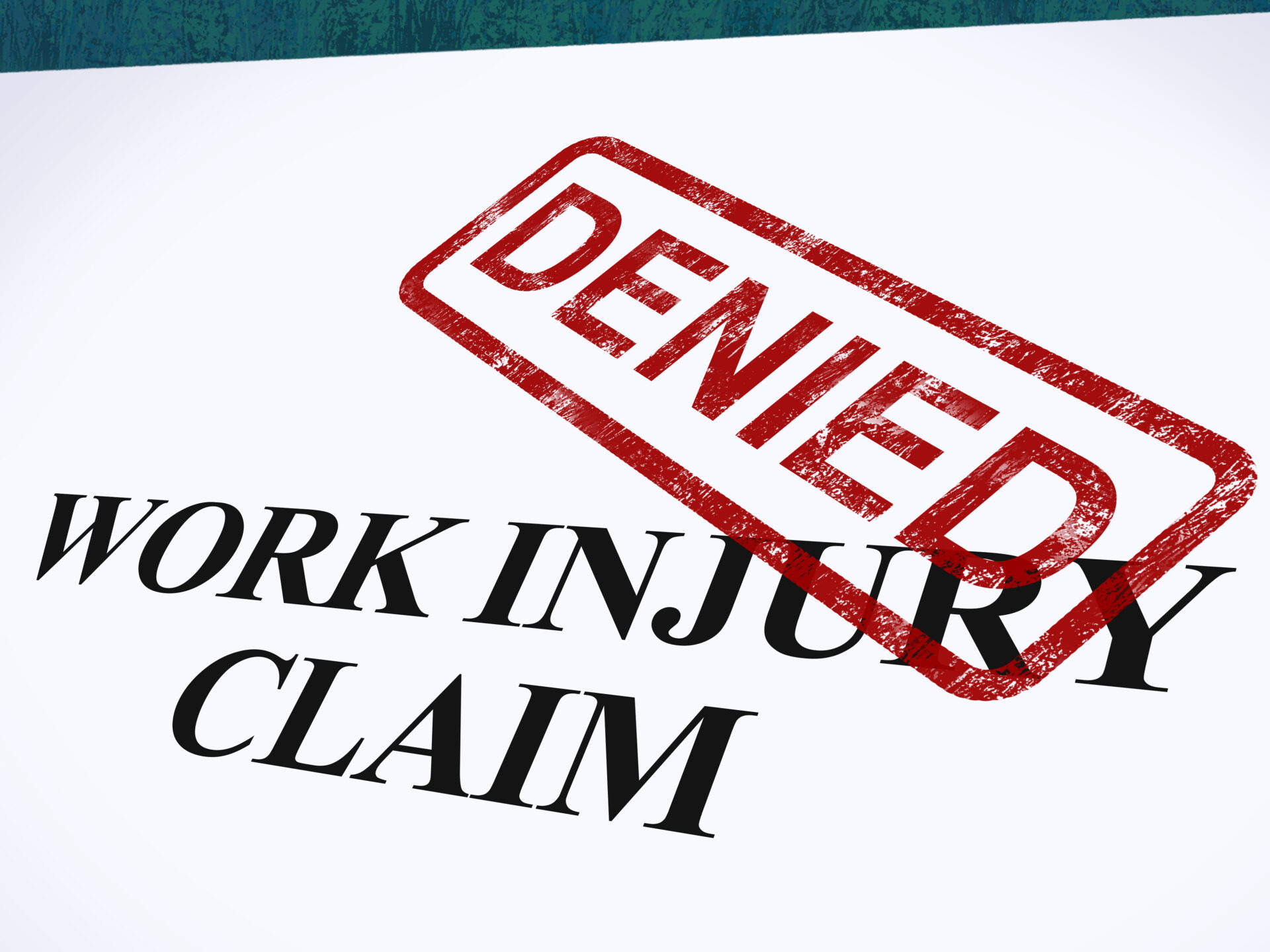
Workers' compensation claims can be denied for a variety of reasons, leaving injured employees without the benefits they need. Understanding these common pitfalls is crucial for navigating the claims process successfully and increasing the likelihood of approval.
Typical reasons for denial include insufficient medical documentation, disputes over the cause of the injury, missed deadlines for filing the claim, or the injury not being considered work-related by the employer or insurer. It's essential to address these issues promptly and provide all necessary evidence.
If your workers' compensation claim has been denied, it doesn't mean you are out of options. The appeals process allows you to challenge the decision and present your case for why the claim should be approved. Understanding this process is vital for securing the benefits you are entitled to.
The appeals process typically involves filing specific forms within a set timeframe, gathering additional evidence such as expert medical opinions or witness statements, and potentially attending hearings. Navigating these steps can be complex, and legal assistance is often beneficial.
Dealing with a denied workers' compensation claim can be overwhelming, and the complexities of the legal system can make it difficult to advocate for yourself. Hiring an experienced attorney can significantly improve your chances of a successful outcome.
A skilled lawyer can help you understand your rights, gather crucial evidence, negotiate with insurance adjusters, and represent you in appeals hearings. Their expertise ensures that all legal requirements are met and that your claim is presented in the strongest possible light.
Workplace injuries encompass a wide range of incidents, from acute accidents to long-term occupational illnesses. Understanding the types of injuries that are typically covered by workers' compensation and the benefits available is important for employees.
Common injuries include slips, trips, and falls, repetitive stress injuries, muscle strains, cuts and lacerations, and exposure to hazardous materials. Workers' compensation generally covers medical expenses, lost wages, and disability benefits, depending on the severity and nature of the injury.