
If you’ve been injured at work, there’s a good chance you’ll eventually hear your doctor or the workers’ compensation insurance company mention Maximum Medical Improvement, often called MMI.
For many injured workers, hearing those words can be confusing or even alarming.
Does MMI mean you’re completely healed?
Does it mean your benefits are ending?
Does it mean you have to go back to work?
The answer to all of those questions is…not necessarily.
Understanding what MMI actually means can help you make informed decisions about your workers’ compensation claim and avoid unnecessary surprises during the recovery process.
What Does Maximum Medical Improvement Mean?
Maximum Medical Improvement is the point at which your authorized treating physician believes your condition has improved as much as it reasonably can with additional medical treatment.
In other words, your doctor believes your recovery has stabilized.
That does not mean you’re pain-free.
It does not mean you’ve returned to the same physical condition you were in before your injury.
And it does not necessarily mean you’ll never need medical treatment again.
Many workers reach MMI while still living with chronic pain, permanent restrictions, or lasting physical limitations.
Reaching MMI Doesn’t Mean You’re Fully Healed
This is probably the biggest misconception about Maximum Medical Improvement.
Imagine a warehouse employee who suffers a herniated disc while lifting heavy materials.
After months of:
- Physical therapy
- MRI testing
- Pain management
- Epidural injections
- Surgery
their physician determines that additional treatment is unlikely to improve their condition.
The worker still has:
- Daily pain
- Permanent lifting restrictions
- Difficulty standing for long periods
- Reduced mobility
They may have reached MMI, but they certainly haven’t returned to “normal.”
That’s why reaching Maximum Medical Improvement is often the beginning of a new phase in a workers’ compensation claim, not the end.
How Does MMI Affect Temporary Total Disability (TTD) Benefits?
Temporary Total Disability (TTD) benefits are designed to replace a portion of your wages while you’re unable to work because of your injury.
In many cases, TTD benefits continue until one of two things happens:
- Your doctor releases you to return to work, or
- Your doctor determines you’ve reached Maximum Medical Improvement.
Because of this, reaching MMI may affect your eligibility for ongoing temporary disability benefits.
However, that doesn’t necessarily mean your workers’ compensation claim is over.
What Happens After You Reach MMI?
Once you’ve reached Maximum Medical Improvement, your physician may evaluate whether your injury has resulted in any permanent impairment.
This often includes assessing:
- Range of motion
- Strength
- Functional limitations
- Ongoing symptoms
- Ability to perform work activities
If permanent limitations remain, you may be entitled to additional workers’ compensation benefits under Missouri law.
Understanding Permanent Partial Disability (PPD)
Many injured workers receive a Permanent Partial Disability (PPD) rating after reaching MMI.
A PPD rating reflects the lasting effects of your workplace injury.
For example, you may continue experiencing:
- Chronic back pain
- Reduced flexibility
- Permanent lifting restrictions
- Limited ability to bend or twist
- Ongoing nerve symptoms
The impairment rating assigned by your physician is one of several factors that may influence the value of your workers’ compensation claim.
Can You Disagree With an MMI Determination?
Sometimes.
Not every injured worker agrees that they’ve reached Maximum Medical Improvement.
You may have concerns if:
- You’re still receiving active treatment.
- Your symptoms continue to worsen.
- Surgery has been recommended but hasn’t occurred.
- You believe additional treatment could improve your condition.
Disagreements over MMI can become an important issue in some workers’ compensation cases.
Because every situation is different, it’s important to understand your legal rights before making decisions that could affect your benefits.
Does MMI Mean You Have to Return to Work?
Not always.
Some workers return to their previous jobs without restrictions.
Others return with temporary or permanent work restrictions.
Still others are unable to return to the same occupation because of lasting physical limitations.
Your ability to return to work depends on:
- Your medical condition
- Your physician’s recommendations
- The physical demands of your job
- Whether your employer can accommodate any restrictions
Every case is unique.
Does MMI Affect a Workers’ Compensation Settlement?
Yes.
For many workers, settlement discussions don’t begin until after Maximum Medical Improvement has been reached.
That’s because it’s difficult to accurately evaluate a claim before doctors understand:
- Your long-term prognosis
- Permanent impairment
- Future medical needs
- Permanent work restrictions
Waiting until your condition stabilizes often provides a clearer picture of the lasting effects of your injury.
Questions to Ask Before Accepting a Settlement
Before agreeing to settle your workers’ compensation claim, consider asking:
- Have I truly reached Maximum Medical Improvement?
- Do I understand my permanent work restrictions?
- Will I need future treatment?
- Have all of my medical bills been addressed?
- What rights am I giving up by settling?
These are important conversations to have before signing any settlement documents.
Frequently Asked Questions
Is Maximum Medical Improvement the same as being fully recovered?
No. MMI simply means your physician believes your condition has improved as much as it’s likely to with additional treatment.
Can I still receive workers’ compensation benefits after reaching MMI?
Yes. Depending on your circumstances, you may qualify for Permanent Partial Disability (PPD) or other benefits after reaching MMI.
Who decides whether I’ve reached MMI?
Typically, your authorized treating physician makes that determination based on your medical progress.
Can I still have pain after reaching MMI?
Absolutely. Many workers continue living with chronic pain or permanent limitations after reaching MMI.
Can my settlement happen before I reach MMI?
Sometimes, but many claims are evaluated for settlement after your condition has stabilized because it’s easier to determine the long-term effects of the injury.
The Hines & Wilson Law Firm Is Here to Help
Hearing that you’ve reached Maximum Medical Improvement can bring as many questions as answers.
Understanding what MMI means, how it affects your benefits, and whether you’re being treated fairly is an important part of protecting your future after a workplace injury.
For decades, The Hines & Wilson Law Firm has helped injured workers throughout Missouri navigate every stage of the workers’ compensation process, from filing an initial claim to resolving disputes over medical treatment, disability benefits, and settlements.
If you have questions about Maximum Medical Improvement or any aspect of your workers’ compensation claim, we’re here to help you understand your rights and your options.
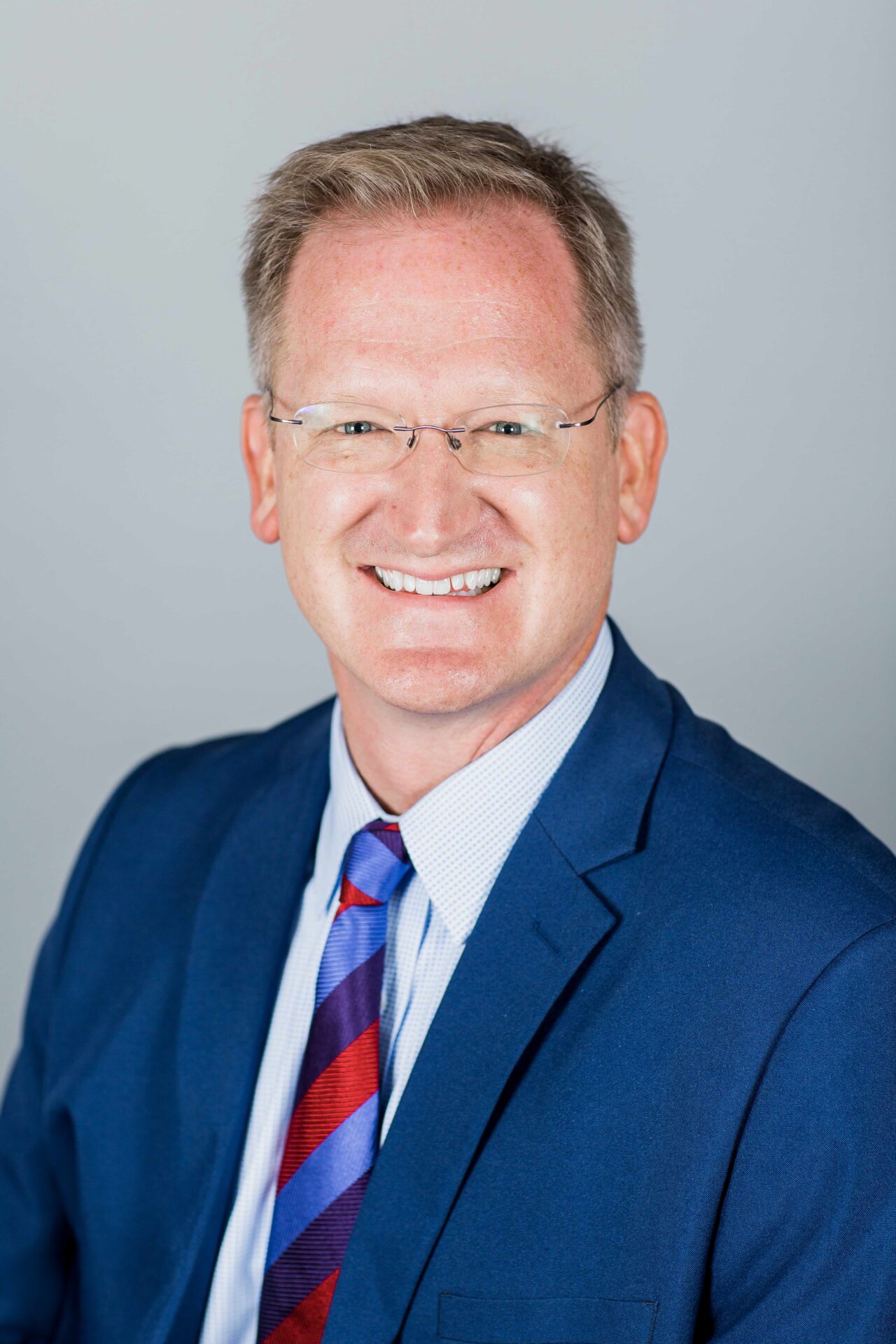
Scott Wilson
Partner | Workers’ Compensation & Personal Injury Attorney
Scott Wilson has been fighting for injured workers, accident victims, and families whose lives have been altered by serious injuries for over 25 years. Throughout his career, he has exclusively represented individuals harmed by workplace accidents and the negligence of others, earning a reputation as one of Missouri’s leading advocates in workers’ compensation and personal injury law.
As a partner of The Hines & Wilson Law Firm, Scott has dedicated his practice to helping injured individuals navigate complex legal and insurance systems while pursuing the compensation, medical treatment, and benefits they need to move forward. His experience spans workplace injury claims, catastrophic injury cases, motor vehicle accidents, and wrongful death matters, giving him a comprehensive understanding of the challenges clients face after a life-changing injury.
Scott’s commitment to excellence in workers’ compensation law has earned him one of the profession’s most prestigious distinctions: induction as a Fellow of the College of Workers’ Compensation Lawyers. Fellowship is reserved for attorneys who have demonstrated exceptional professional achievement, integrity, leadership, and expertise in the practice of workers’ compensation law. The honor recognizes lawyers who have earned the respect of their peers, judges, and the legal community through their advocacy and dedication to the profession. Scott is among a select group of Missouri attorneys to receive this distinction. There have been only 25 lawyers decorated as Fellows of the College from Missouri, ever.
Scott is also a member of the Workers’ Injury Law & Advocacy Group (WILG), a national nonprofit organization dedicated to protecting the rights of injured workers and their families. Through WILG, he collaborates with attorneys and advocates from across the country to stay informed on emerging issues in workers’ compensation law and to advance the interests of individuals affected by workplace injuries and occupational illnesses.
In addition to his work on behalf of injured clients, Scott is widely respected within the legal profession. He has served on the Board of Governors of the Missouri Association of Trial Attorneys for 20 years, helping advance the interests of injury victims throughout the state, and protecting their right to justice. He is also an active member of the American Association for Justice (AAJ), the Boone County Bar Association, The Bar Association of Columbia, and The Missouri Bar.
Scott’s legal knowledge and advocacy have earned repeated recognition from national legal organizations. He has been selected to The National Trial Lawyers Top 100, an invitation-only distinction recognizing attorneys who demonstrate superior qualifications, trial results, leadership, and professional excellence. He has received this honor repeatedly throughout his career, reflecting a longstanding commitment to achieving results for injured clients.
Beyond the courtroom, Scott is dedicated to serving his community and supporting families affected by workplace tragedies. He served on the Board of KIDS’ CHANCE of Missouri, a nonprofit organization that provides scholarships to children of workers who have been seriously injured, permanently disabled, or killed on the job. His involvement reflects the same commitment that has defined his legal career: standing beside hardworking families when they need support the most.
Scott has also shares his knowledge with fellow attorneys and Judges as he is often invited to present at professional education programs and speaking engagements as an expert on personal injury and workers’ compensation cases. His contributions to legal education further reflect his standing as a trusted resource within Missouri’s legal community.
A graduate of the University of Missouri, Scott earned his Bachelor of Arts degree in 1995 and his Juris Doctor degree in 1998. Since then, he has remained committed to one mission: helping injured people obtain the justice, benefits, and financial recovery they deserve.
When he is not advocating for clients or serving the legal community, Scott enjoys spending time with his family, attending Mizzou games, and serving on the Board of community organizations, but is most proud to be Girl Dad to two daughters.
Areas of Concentrated Experience:
- Missouri Workers’ Compensation Claims
- Permanent Total Disability Claims
- Workplace Accident Injuries
- Construction Accidents
- Repetitive Trauma Injuries
- Motor Vehicle Accidents
- Truck Accidents
- Wrongful Death Claims
- Serious and Catastrophic Injuries
Professional Associations & Leadership
- Fellow, College of Workers’ Compensation Lawyers
- Board of Governors, Missouri Association of Trial Attorneys
- Member, Workers’ Injury Law & Advocacy Group (WILG)
- Member, American Association for Justice (AAJ)
- Member, Missouri Bar
- Member, Boone County Bar Association