Understanding Workers' Compensation Law
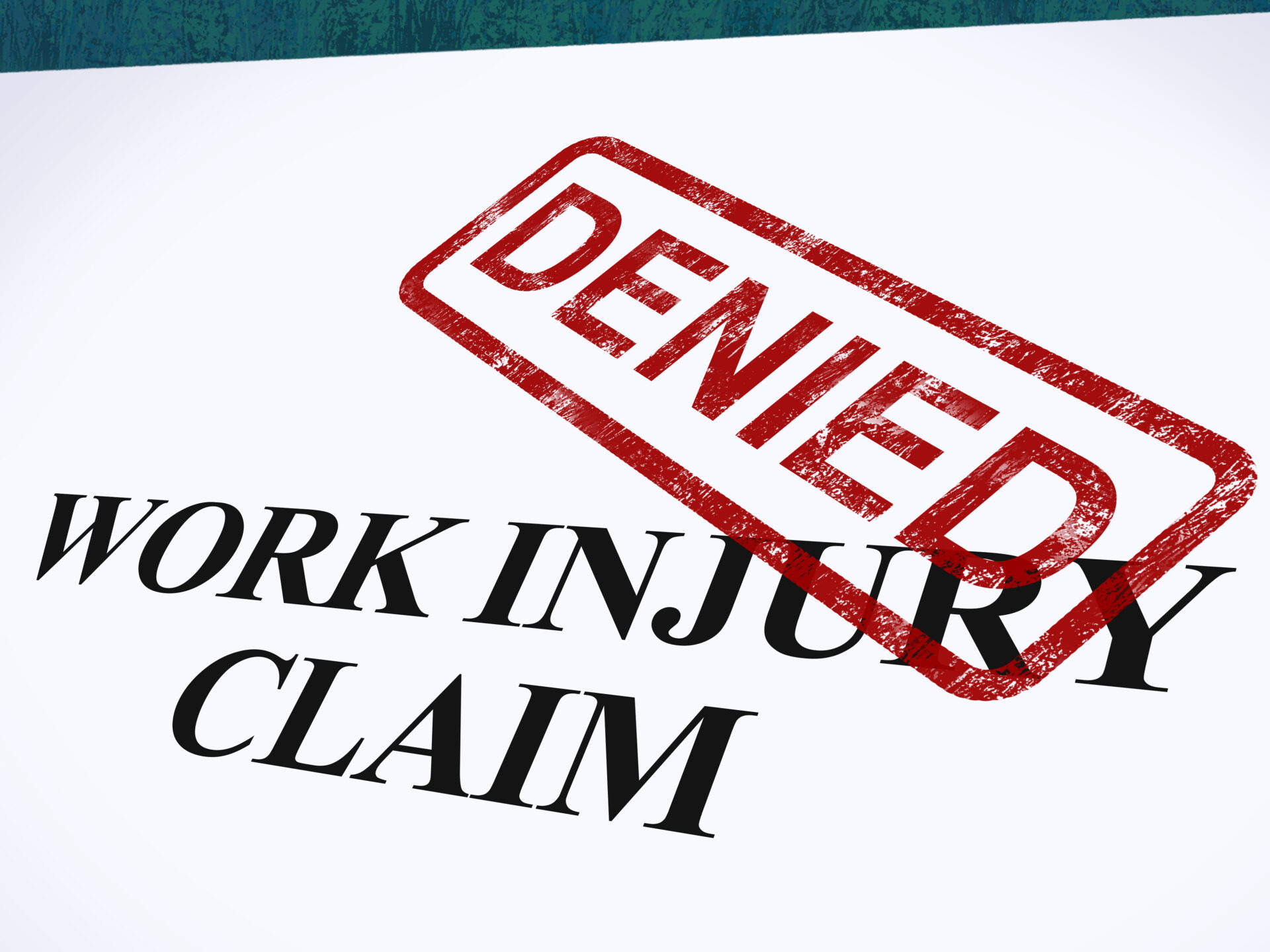
Workers' compensation law is designed to provide financial support and medical benefits to employees who suffer work-related injuries or illnesses. This legal framework ensures that injured workers receive compensation for their medical expenses, lost wages, and rehabilitation costs without needing to prove fault.
In the United States, each state has its own workers' compensation laws, which can vary significantly. For instance, some states have no-fault systems, meaning employees can receive benefits regardless of who caused the injury, while others may require proof of negligence. Understanding these nuances is crucial for both employers and employees to navigate the claims process effectively.
Common Misconceptions About Workers' Compensation
Many individuals hold misconceptions about workers' compensation that can hinder their ability to claim benefits. A prevalent myth is that workers' compensation is only available for severe injuries, when in fact, even minor injuries can qualify for compensation if they occur in the workplace.
Another common misunderstanding is that employees must prove their employer was at fault to receive benefits. This is not true in most states, as workers' compensation operates on a no-fault basis. Educating employees about these misconceptions can empower them to seek the benefits they deserve without hesitation.
Steps to Take After a Workplace Injury
After experiencing a workplace injury, it is essential to follow specific steps to ensure your rights are protected and your claim is filed correctly. First, report the injury to your supervisor or HR department immediately, as prompt reporting can be crucial for your claim.
Next, seek medical attention for your injuries, and keep detailed records of all treatments and communications regarding your condition. Additionally, consider consulting with a workers' compensation attorney to navigate the complexities of your claim and to ensure you receive the benefits to which you are entitled.
Resources for Workers' Compensation Claims
Numerous resources are available to assist individuals navigating the workers' compensation claims process. State workers' compensation boards provide information on filing claims, understanding benefits, and accessing medical care. Additionally, various non-profit organizations offer guidance and support for injured workers.
Legal resources, such as consultations with attorneys specializing in workers' compensation, can also be invaluable. These professionals can help you understand your rights, represent you in disputes, and ensure you receive fair compensation for your injuries.


 Skip to content
  Optimized by Seraphinite Accelerator