Understanding Workers' Compensation Claims
Workers' compensation claims are essential for employees injured on the job, providing them with financial support during recovery. Understanding the claims process, eligibility criteria, and benefits available can empower workers to navigate their rights effectively.
In most cases, workers' compensation covers medical expenses, lost wages, and rehabilitation costs. It's crucial for employees to document their injuries and notify their employers promptly to ensure they receive the benefits they deserve without unnecessary delays.
Common Workplace Injuries and Their Impact
Workplace injuries can vary significantly across different industries, often leading to serious consequences for employees. Common injuries include slips and falls, repetitive strain injuries, and machinery-related accidents, each affecting workers' health and productivity.
Understanding the nature of these injuries helps in implementing preventive measures. For instance, ergonomic assessments can reduce repetitive strain injuries, while safety training can mitigate the risk of accidents in high-risk environments like construction sites.
Your Rights as an Injured Worker
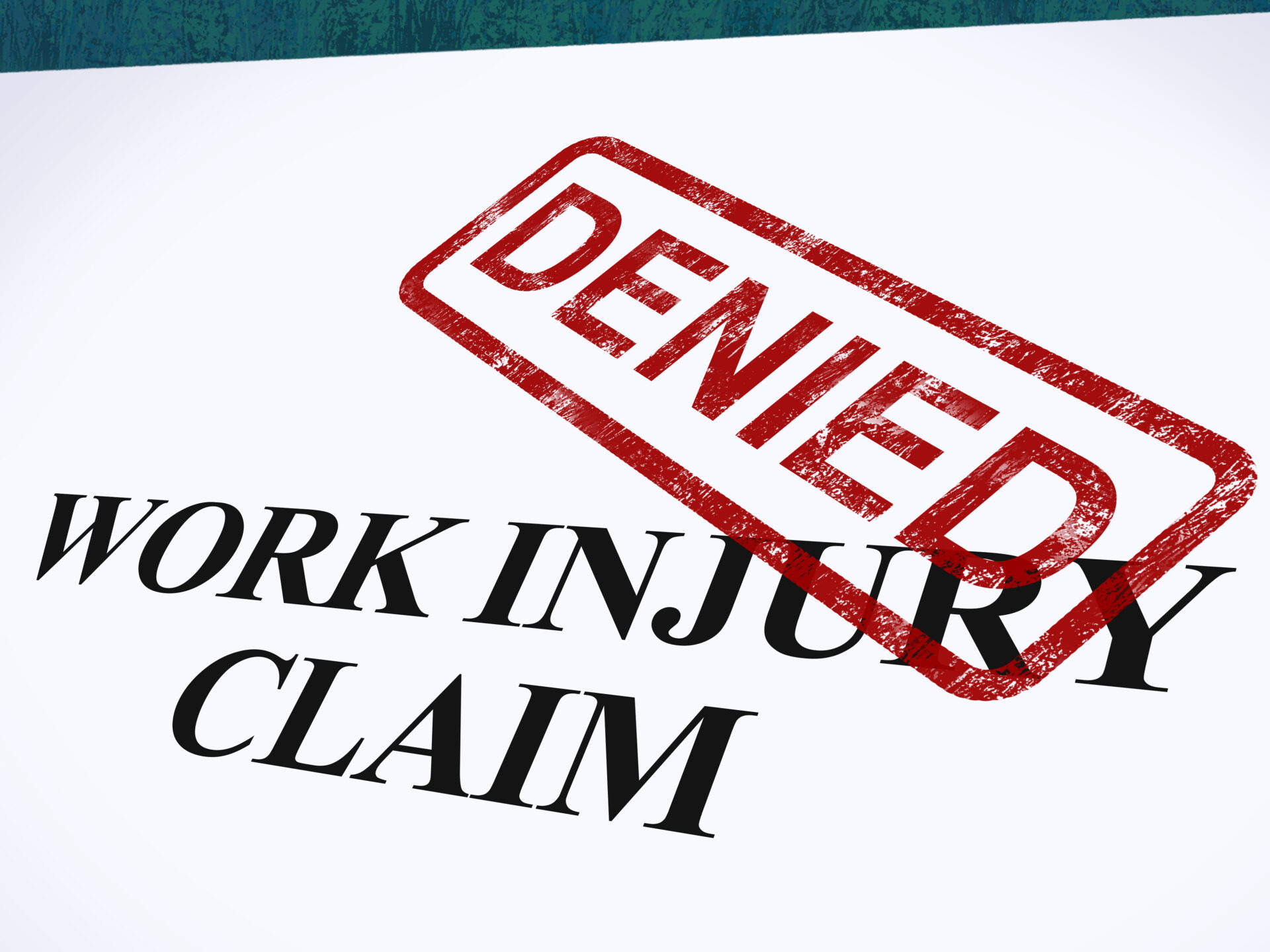
Injured workers have specific rights designed to protect them during the recovery process. These rights include the ability to file a claim for workers' compensation benefits, seek medical treatment, and appeal if their claim is denied.
It's important for workers to be aware of their rights and to consult with legal professionals if they encounter challenges. This ensures they receive fair treatment and access to all available resources, helping them to recover both physically and financially.
Steps to Take After a Workplace Injury
Immediately following a workplace injury, there are critical steps that an employee should take to secure their rights and benefits. These steps include reporting the injury to a supervisor, seeking medical attention, and documenting all relevant details regarding the incident.
Additionally, maintaining records of medical visits and communications with the employer can strengthen a worker's compensation claim. Being proactive in these steps can significantly impact the outcome of a claim and ensure timely access to benefits.

 Skip to content
  Optimized by Seraphinite Accelerator