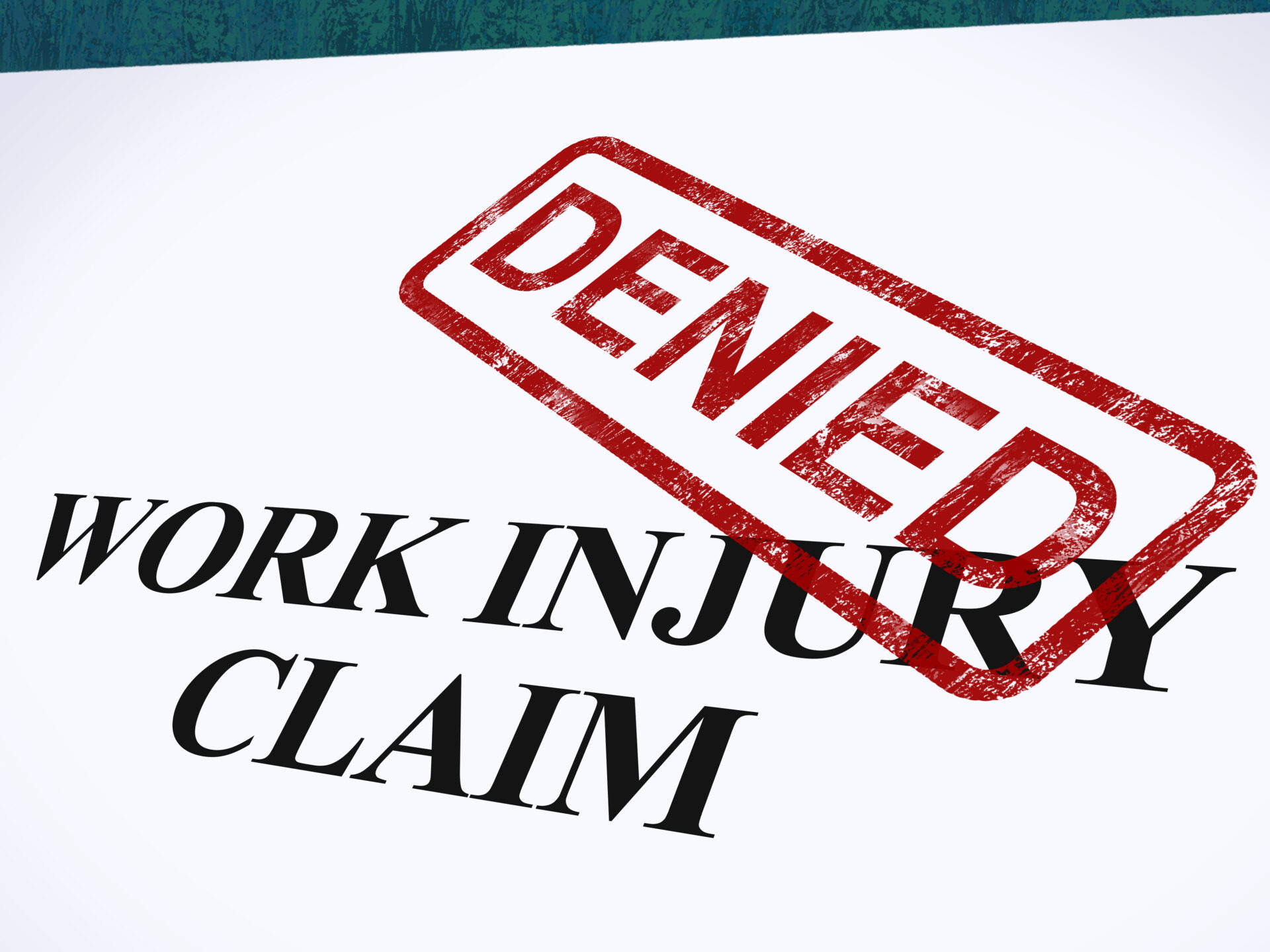
Why Would My Workers’ Compensation Claim Be Denied? Gallery Why Would My Workers’ Compensation Claim Be Denied? Blog Why Would My Workers’ Compensation Claim Be Denied? The Hines & Wilson Law Firm2024-05-16T18:45:31+00:00March 28th, 2024|Blog| Read More
Office Jobs & Workplace Injuries Gallery Office Jobs & Workplace Injuries Blog, personal injury, Workers Compensation Office Jobs & Workplace Injuries The Hines & Wilson Law Firm2024-02-05T19:40:26+00:00February 2nd, 2024|Blog, personal injury, Workers Compensation| Read More
Most Dangerous Jobs: 2024 Gallery Most Dangerous Jobs: 2024 Blog, personal injury, Workers Compensation Most Dangerous Jobs: 2024 The Hines & Wilson Law Firm2023-12-28T16:22:34+00:00January 1st, 2024|Blog, personal injury, Workers Compensation| Read More
Delivery Drivers: Workplace Injury Edition Gallery Delivery Drivers: Workplace Injury Edition Blog, personal injury, Workers Compensation Delivery Drivers: Workplace Injury Edition The Hines & Wilson Law Firm2024-02-05T19:42:29+00:00November 3rd, 2023|Blog, personal injury, Workers Compensation| Read More
Workplace Accidents: Healthcare Professionals Gallery Workplace Accidents: Healthcare Professionals Blog, personal injury, Workers Compensation Workplace Accidents: Healthcare Professionals The Hines & Wilson Law Firm2024-02-05T19:45:01+00:00October 2nd, 2023|Blog, personal injury, Workers Compensation| Read More
Employer Retaliation: What to Do Gallery Employer Retaliation: What to Do Workers Compensation Employer Retaliation: What to Do The Hines & Wilson Law Firm2023-06-22T18:25:36+00:00June 22nd, 2023|Workers Compensation| Read More
Big Rigs & Workers’ Compensation Gallery Big Rigs & Workers’ Compensation Blog, personal injury, Workers Compensation Big Rigs & Workers’ Compensation The Hines & Wilson Law Firm2023-05-01T20:26:27+00:00May 1st, 2023|Blog, personal injury, Workers Compensation| Read More
Workers’ Memorial Day – Honoring Workers Who Died Working Gallery Workers’ Memorial Day – Honoring Workers Who Died Working Blog, personal injury, Workers Compensation, Workers' Memorial Day Workers’ Memorial Day – Honoring Workers Who Died Working The Hines & Wilson Law Firm2023-03-20T15:32:24+00:00April 2nd, 2023|Blog, personal injury, Workers Compensation, Workers' Memorial Day| Read More
What Types of Legal Evidence Are There? Gallery What Types of Legal Evidence Are There? Blog, Workers Compensation What Types of Legal Evidence Are There? The Hines & Wilson Law Firm2023-03-04T18:18:21+00:00March 4th, 2023|Blog, Workers Compensation| Read More
Common Occupational Illnesses Gallery Common Occupational Illnesses Blog, Workers Compensation Common Occupational Illnesses The Hines & Wilson Law Firm2023-02-03T15:17:15+00:00February 3rd, 2023|Blog, Workers Compensation| Read More


 Skip to content
  Optimized by Seraphinite Accelerator