What Not to Say to Your Insurance Company After an Accident


cheapest car insurance, car insurance discounts, car insurance companies, auto insurance, car insurance costs, car insurance coverage, car insurance rates, quote auto, roadside assistance, coverage, protect, seguros geico, seguros allstate, geico poliza, am best, vehicle, liability insurance, progressive corporation, vehicle insurance, home insurance, professional liability insurance, life insurance, nationwide mutual insurance company, zip code, pet insurance, mobile home, policy, debit card, golf cart, progressive auto insurance, insurance company, find an agent, commercial auto insurance, insurance protect, auto insurance company, commercial auto, independent insurance agents, lawsuit, snowmobile, segway, liberty mutual, classic car, employment, tractor, new york stock exchange, commercial vehicle, underwriting, fraud, lawyer, indiana, cyber insurance, insurance policy, umbrella insurance, accident, consumer, north carolina, claim, claims, seguro progressive, aseguranza progressive, seguro de auto progressive, aseguranza de carros progressive, aseguranza progressive cerca de mi, progressive aseguranza de carro, progressive insurance cerca de mi, progressive insurance, health insurance, asset, customer service, tow truck, mutual insurance, farmers insurance group, illinois, mississippi
auto insurance quote, erie insurance, auto insurance, progressive customer service, car insurance quotes, car insurance near me, what should you not say to your insurance company after an accident, farmers insurance, geico customer service, progressive insurance
Before communicating with your insurance company, it's crucial to have a clear understanding of your insurance policy. Familiarizing yourself with the terms, coverage limits, and specific clauses can empower you during discussions. Knowing what your policy entails helps you frame your conversation more effectively and ensures you are aware of your rights and obligations.
For instance, if your policy includes specific provisions for accident claims, you can refer to these details when speaking with your insurer. This knowledge prevents misunderstandings and allows you to assert your rights confidently, ultimately leading to a smoother claims process.
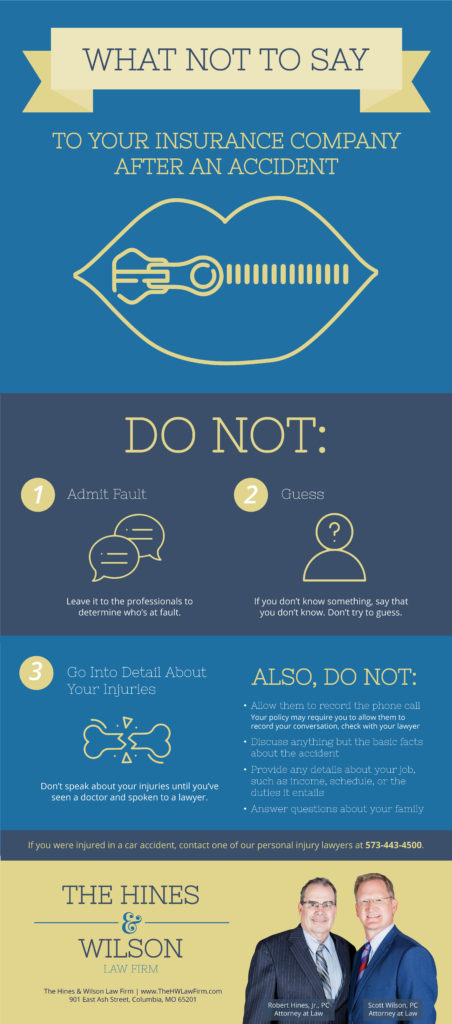
When interacting with your insurance company post-accident, it's essential to avoid common pitfalls that could jeopardize your claim. One significant mistake is admitting fault or making statements that could be interpreted as an admission of liability. Such comments can be used against you later in the claims process.
Additionally, providing too much information or being overly casual can lead to misunderstandings. Stick to the facts of the accident and avoid speculating about details that may not be clear. This approach helps maintain the integrity of your claim and ensures that you are not inadvertently undermining your case.
Proper documentation is vital when filing an insurance claim after an accident. Collecting evidence such as photographs of the accident scene, witness statements, and police reports can significantly bolster your case. This documentation serves as critical support for your claim and helps clarify the circumstances surrounding the incident.
Furthermore, maintaining a detailed record of all communications with your insurance company, including dates and names of representatives spoken to, can help establish a timeline and ensure accountability. This thorough approach can make a substantial difference in the outcome of your claim.
Knowing when to seek legal assistance is essential in navigating insurance claims effectively. If your case involves significant injuries, disputes over fault, or if the insurance company is not cooperating, consulting a personal injury attorney can provide you with the expertise needed to advocate for your rights.
An attorney can help you understand your legal options, negotiate with the insurance company on your behalf, and ensure that you receive the compensation you deserve. Engaging with legal professionals early in the process can often lead to better outcomes and reduce the stress associated with handling claims alone.